An exploration of the history, resurgence, and impact of tabletop games in the digital age.
The Evolution and Allure of Tabletop Games
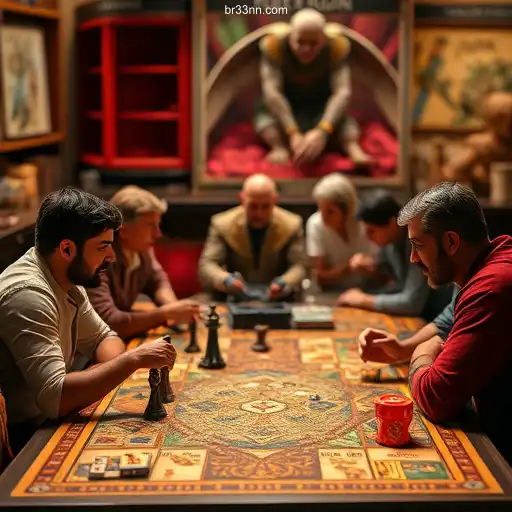
In the realm of gaming, where digital platforms have become the dominant force, the charm of tabletop games continues to captivate enthusiasts across the globe. Whether it is the tactile pleasure of moving pieces on a board or the thrill of rolling dice, tabletop games offer a unique blend of strategy, chance, and social interaction that digital games often struggle to replicate.
The Historical Background of Tabletop Games
Tabletop games boast a rich history, tracing their roots back thousands of years. Early forms of these games have been discovered in ancient civilizations, suggesting that humanity's inclination toward strategic and recreational gaming is nothing new. From "Senet" played by ancient Egyptians to the Royal Game of Ur from Mesopotamia, these games offer a glimpse into the entertainment of eras past.
In the 20th century, games like Monopoly and Scrabble became household names, coinciding with a broader trend of tabletop games becoming a fixture in family entertainment. The revival of tabletop games in the late 20th and early 21st centuries coincided with the rise of games like Dungeons & Dragons, which brought a new level of imagination and complexity to traditional board gaming.
The Modern Renaissance of Tabletop Gaming
In recent years, there has been a significant resurgence in the popularity of tabletop games. This revival has been spurred on by a variety of factors. Firstly, the digital fatigue experienced by many due to the pervasive nature of screens in everyday life has led to a search for more tangible, offline experiences. Tabletop games provide a perfect antidote by offering an opportunity for face-to-face social interaction and critical thinking, away from the digital realm.
This modern renaissance has also been fueled by an explosion of creativity and innovation within the industry. With tools and platforms that make game development more accessible than ever, independent developers have delivered a wide array of new and exciting games. These range from eurogames that emphasize strategy over luck to complex role-playing games that provide deep narrative experiences.
The advent of crowdfunding platforms like Kickstarter has further bolstered the growth of tabletop gaming. These platforms have allowed game creators to bring their ideas to life with the support of direct investment from enthusiast communities, bypassing traditional publishing routes and ensuring a particular game reaches its target audience.
The Social and Psychological Appeal
Much of tabletop gaming's appeal can be attributed to the social experience it provides. Unlike solitary digital games, tabletop games require players to gather in the same physical space, facilitating interaction and communication. This communal aspect can fortify friendships and family bonds, providing a shared experience distinct from individual digital gaming pursuits.
From a psychological perspective, tabletop games offer several benefits. They encourage critical thinking, problem-solving, and strategic planning. Many games put players in scenarios where they must weigh risk versus reward, a critical skill in real-world decision-making. Moreover, tabletop games can be educational, teaching participants about historical events, mathematical probability, and language skills in engaging ways.
Diverse Genres and Innovations
Today, the diversity of tabletop games is astounding, with options to suit nearly any interest or preference. Eurogames, for instance, emphasize strategy, resource management, and often feature themes inspired by historical events. "Settlers of Catan" is one of the most celebrated games in this genre due to its deep strategy and minimal reliance on luck.
Role-playing games (RPGs) like "Dungeons & Dragons" offer players the chance to become a character in a fictional world, embarking on quests and battling adversity through collaborative storytelling. These games require imagination and creativity, often leading to rich, memorable experiences that last long after the game ends.
The party game genre has also seen a boom, with games like "Cards Against Humanity" and "Codenames" becoming popular picks for large groups seeking lighthearted entertainment. These games often rely on humor and quick thinking, making them ideal for casual settings and gatherings.
Impact of Technology and Future Trends
Even as tabletop games thrive on their ability to provide analog entertainment, technology has influenced the industry. Mobile applications and online platforms now allow friends and family separated by distance to participate in their favorite games, blurring the lines between traditional tabletop and digital gaming.
Augmented Reality (AR) and Virtual Reality (VR) technologies are poised to further transform the tabletop gaming landscape. They offer the potential to create immersive environments that enhance game play without sacrificing the core qualities that make tabletop games appealing. However, tabletop purists argue that the essence of these games lies in their physicality and the human connections they foster.
The future of tabletop gaming is bright, with innovations continually shaping how these games are played and enjoyed. As the industry expands, there is a growing emphasis on inclusivity and accessibility, ensuring games are welcoming to players of all backgrounds and abilities.
Where to Find the Latest Tabletop Games?
For enthusiasts eager to explore the latest in tabletop gaming, numerous platforms offer access to a multitude of games. Among these, 33NN.com cassino online licenciado com 2.500+ jogos certificados, bônus R$ 5.000🍀 provides a wealth of options and bonuses that cater not only to traditional tabletop aficionados but also to casino game enthusiasts seeking a hybrid experience that blends the physical and digital worlds.
In conclusion, the enduring appeal of tabletop games lies in their ability to provide a fulfilling and interactive experience. Their complexity, diversity, and ability to foster social connections ensure they will remain a beloved pastime for gamers worldwide for many years to come.