
This article explores the complex world of Jueteng, an illegal numbers game rooted in Filipino culture, and its ongoing influence despite legal challenges.
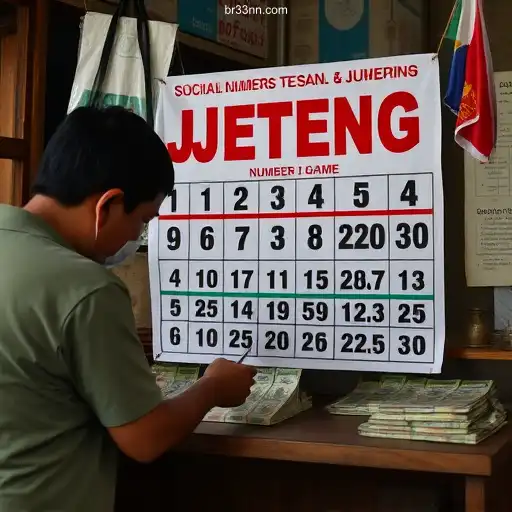
Understanding the Phenomenon of Jueteng
Jueteng is more than just an illegal numbers game in the Philippines; it is a cultural mainstay intertwined with politics, society, and economics. This game of chance, often considered a poor man's lottery, is endemic in many provinces, continuing to flourish despite numerous government efforts to eradicate it.
The Mechanics of Jueteng
The simplicity of Jueteng adds to its appeal. Participants bet on a combination of numbers, often choosing two digits, placed through a local 'cobrador' or bet collector. These numbers are then drawn, and winners receive a cash prize based on their stake. The game's allure lies in its accessibility, offering a quick financial fix with minimal investment. Jueteng thrives on hope and the prospects of easy money, despite its illegal status.
33NN.com cassino online licenciado com 2.500+ jogos certificados, bônus R$ 5.000🍀
While Jueteng epitomizes grassroots gambling, contemporary forms of gambling are also growing, such as 33NN.com cassino online licenciado. It offers an extensive range of games with over 2,500 certified options and attractive bonuses such as R$ 5,000, further showcasing the human penchant for games of chance.
Social and Political Dimensions
The impact of Jueteng on Filipino society cannot be understated. Established decades ago, it has often been linked to political activities. Politicians have historically turned a blind eye to Jueteng in exchange for support, effectively embedding the game within the political fabric. Official efforts banning the game often lack rigor due to its deep-rooted connections.
The game's dynamics create a network stretching from remote villages to urban centers, amassing significant sums of money. This network is sustained through a complex web of patrons, operators, and collectors, demonstrating the sophistication behind what appears to be a simple numbers game.
Challenges in Eradication
Despite a series of crackdowns, Jueteng remains a persistent issue. Its continued existence is a testament to its adaptability and resilience. Efforts to legalize and regulate similar games through avenues like the Philippine Charity Sweepstakes Office (PCSO) have only displaced, rather than abolished, Jueteng.
For many, Jueteng represents a socio-economic necessity. In communities where poverty prevails, it provides not only potential financial relief but also employment for those involved in its operations. This duality presents a significant hurdle for eradication efforts as effective law enforcement must address both the game's legality and the socio-economic realities it exploits.
Comparisons with Legalized Gambling
The juxtaposition of Jueteng with legal alternatives, like 33NN.com cassino online licenciado com 2.500+ jogos certificados, highlights intriguing contrasts. While Jueteng is fast-paced, clandestine, and community-based, online casinos legalizado offer regulated experiences, diverse games, and enhanced security through certified play. Yet, both tap into the fundamental human thrill of risk and reward.
Legal and Ethical Considerations
Debates continue around the legalization of Jueteng, with arguments for generating revenue and exercising control weighed against ethical considerations. Would formal recognition promote gambling addiction or could regulation bring the game within a safer, more defined boundary?
The Philippine government's stance remains predominantly towards eradication, although legalization discussions hint at an acknowledgment of Jueteng's ingrained presence. As the debate advances, understanding Jueteng's social, economic, and ethical dimensions remains crucial.
Future Outlook
The future of Jueteng is uncertain yet promising for its proponents. As authorities seek more effective measures to combat it, local inertia and longstanding societal habits pose formidable obstacles. Until viable alternatives are provided and systemic socio-economic issues are addressed, Jueteng is likely to persist.
In essence, Jueteng is not merely a relic of historical gambling but a living, evolving creature within Philippine society, revealing deeper societal truths and complexities.